
Navigation
Send Us A Message
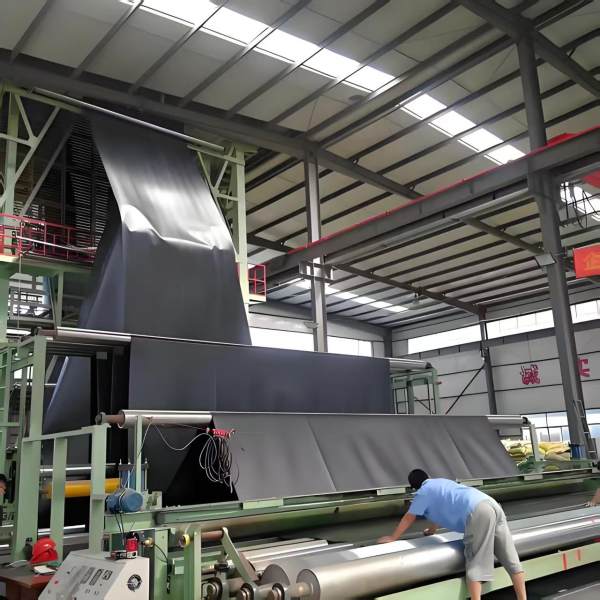
PVC Geomembrane
PVC geomembrane boasts strong weather resistance and excellent puncture resistance; the surface can be customized with anti-slip textures. Applications include aquaculture ponds, landfill closures, and chemical corrosion protection tanks.
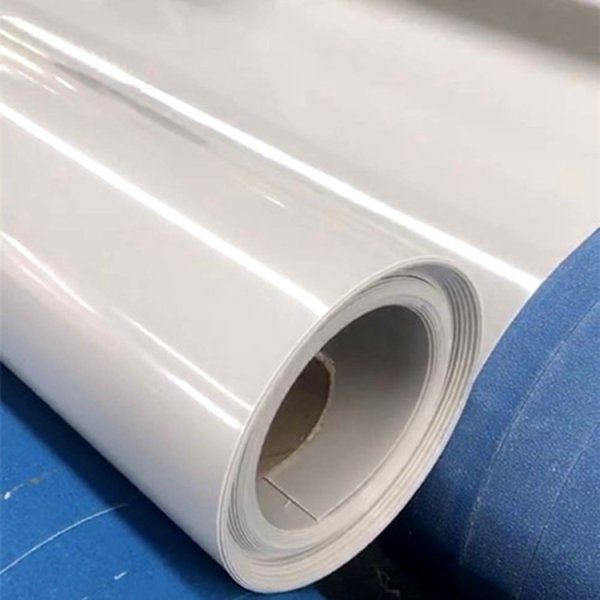
EVA/ECB Waterproof Membrane
EVA/ECB waterproof membrane (a geomembrane derivative) boasts excellent low-temperature toughness and weldability, and is environmentally friendly and odorless. It is used for waterproofing and seepage prevention in underground engineering projects such as tunnels, subways, and underground utility tunnels.
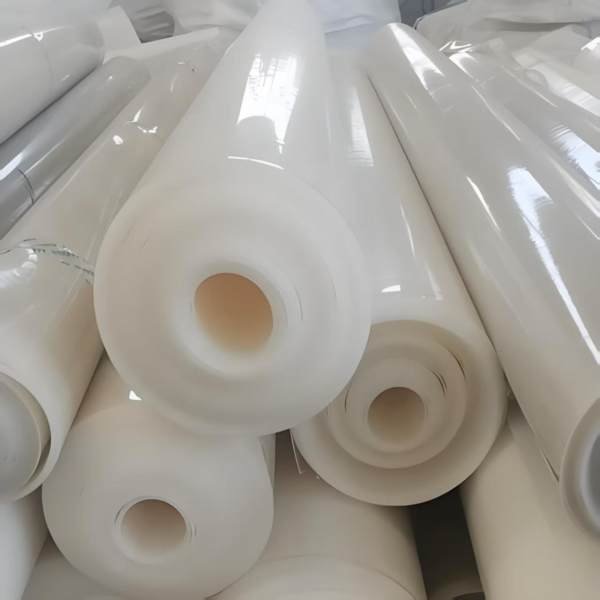
EVA/ECB Waterproof Membrane
EVA/ECB waterproof membrane (a geomembrane derivative) boasts excellent low-temperature toughness and weldability, and is environmentally friendly and odorless. It is used for waterproofing and seepage prevention in underground engineering projects such as tunnels, subways, and underground utility tunnels.
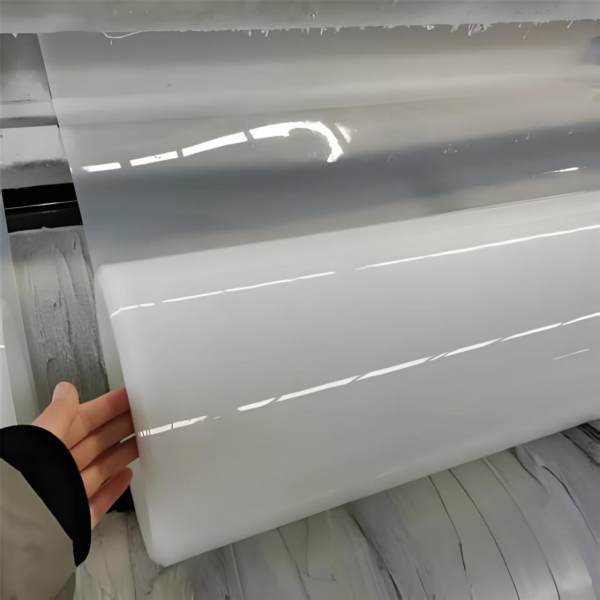
EVA/ECB Waterproof Membrane
EVA/ECB waterproof membrane (a geomembrane derivative) boasts excellent low-temperature toughness and weldability, and is environmentally friendly and odorless. It is used for waterproofing and seepage prevention in underground engineering projects such as tunnels, subways, and underground utility tunnels.
EVA/ECB Waterproof Membrane
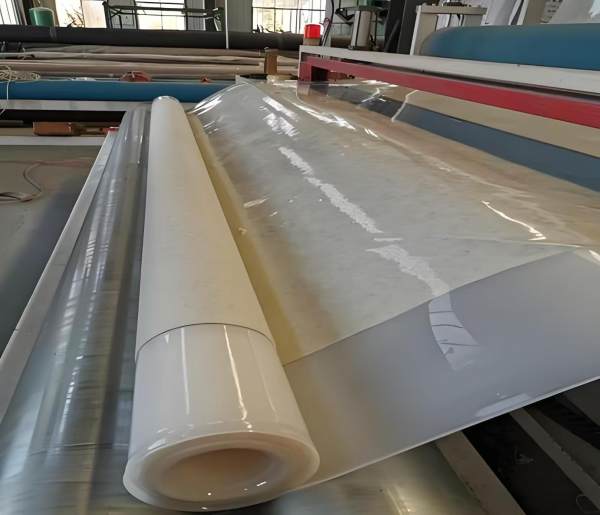
EVA/ECB waterproof membrane (a geomembrane derivative) boasts excellent low-temperature toughness and weldability, and is environmentally friendly and odorless. It is used for waterproofing and seepage prevention in underground engineering projects such as tunnels, subways, and underground utility tunnels.
EVA/ECB Waterproof Membrane
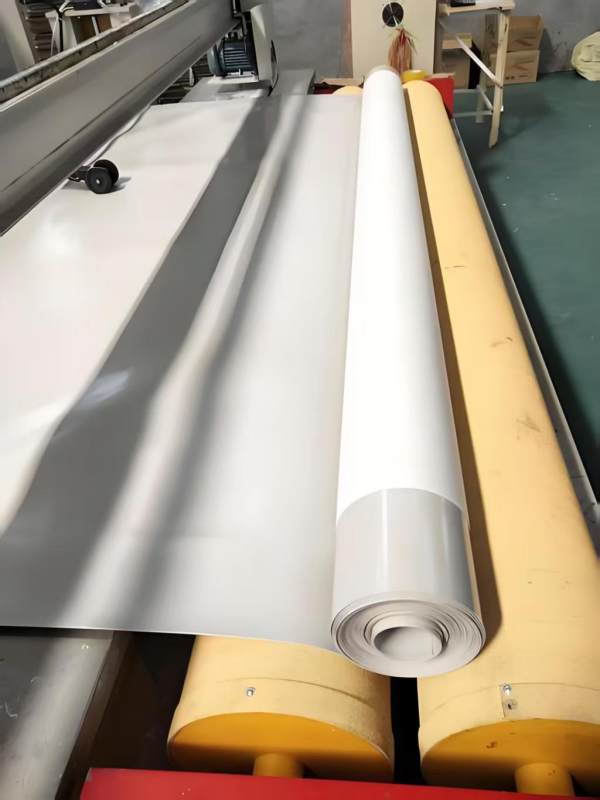
EVA/ECB waterproof membrane (a geomembrane derivative) boasts excellent low-temperature toughness and weldability, and is environmentally friendly and odorless. It is used for waterproofing and seepage prevention in underground engineering projects such as tunnels, subways, and underground utility tunnels.
Composite Geomembrane
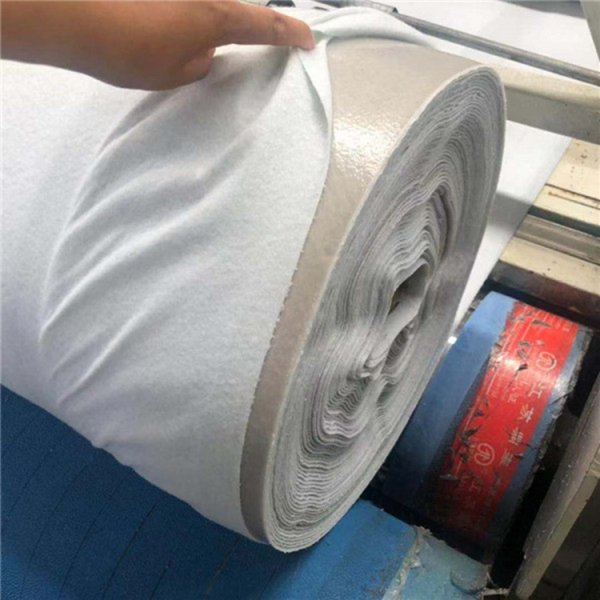
Composite geomembrane is a composite geosynthetic material made of high-density polyethylene geomembrane as the core layer and polyester non-woven geotextile laminated on both sides or one side. It has multiple functions such as seepage prevention, protection, reinforcement and drainage. The product has extremely strong puncture resistance, high friction coefficient, aging resistance and UV resistance, outstanding resistance to uneven settlement of the foundation, strong overall structural stability, and eliminates the risk of leakage due to damage to the seepage prevention layer. It is resistant to corrosion from various media such as acids, alkalis, salts, sewage, and tailings slurry. It has stable freeze-thaw resistance and heat resistance, with a service life of more than 50 years and a wide temperature range (-60℃ to +60℃).
Short Fiber Geotextile
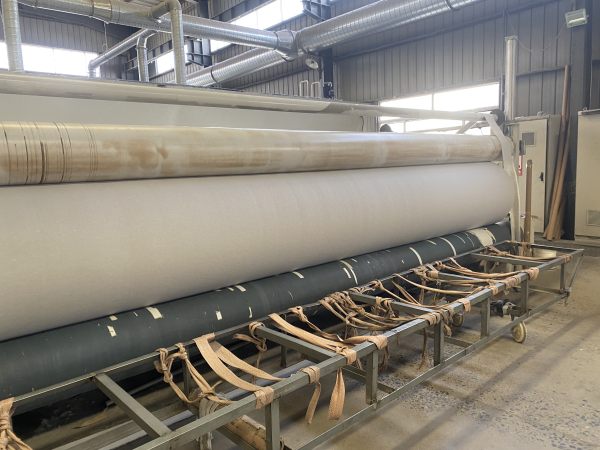
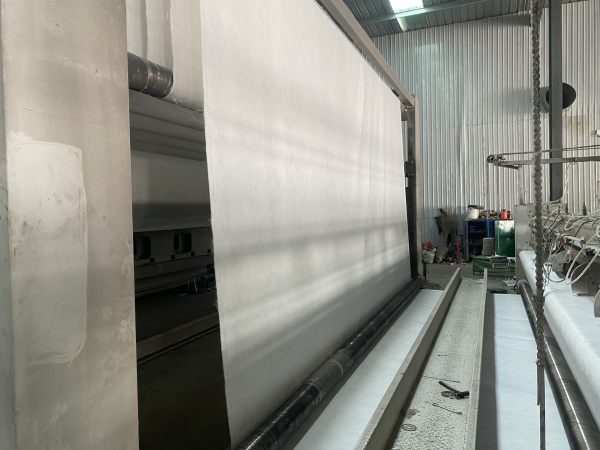
Short-fiber needle-punched nonwoven geotextile is made from high-quality polyester short fibers through carding and needle-punching processes.
Short Fiber Geotextile
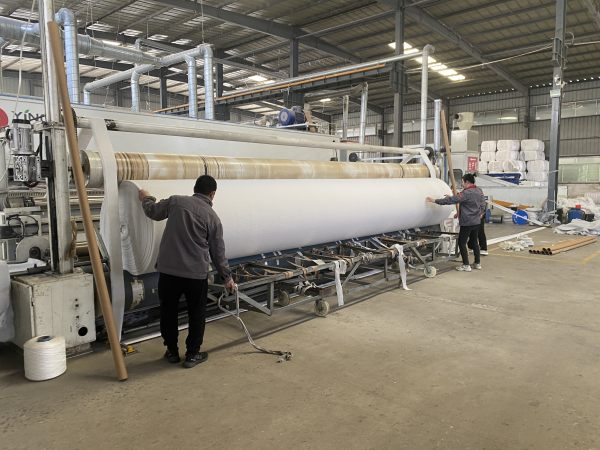
Short-fiber needle-punched nonwoven geotextile is made from high-quality polyester short fibers through carding and needle-punching processes.
Short Fiber Geotextile
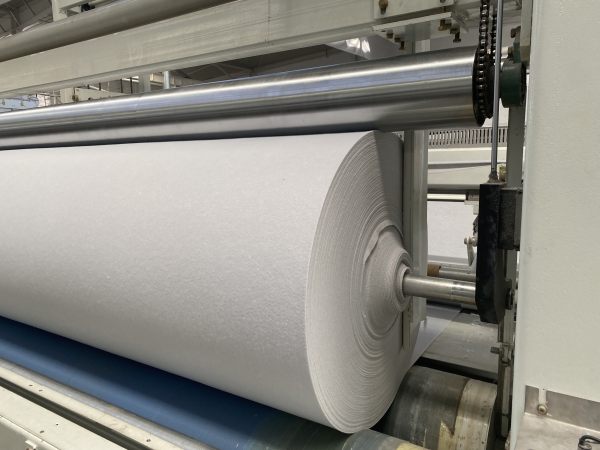
Short-fiber needle-punched nonwoven geotextile is made from high-quality polyester short fibers through carding and needle-punching processes.
Short Fiber Geotextile
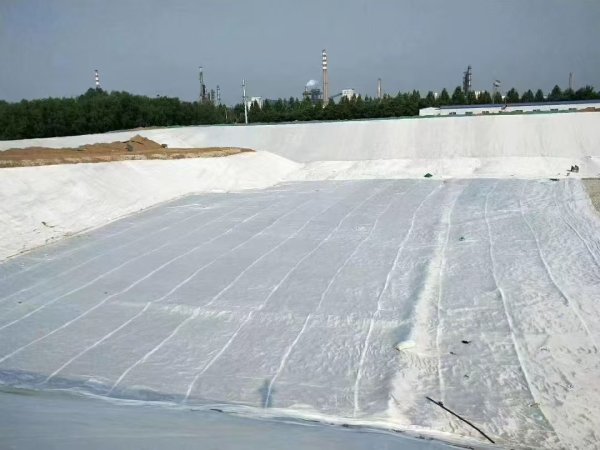
Short-fiber needle-punched nonwoven geotextile is made from high-quality polyester short fibers through carding and needle-punching processes.
Long-Filament Geotextile
Long-filament geotextile, also known as polyester long-filament needle-punched nonwoven geotextile, is made from high-quality polyester chips through spinning, web formation, and needle-punching reinforcement processes. It is a core category of geosynthetic materials that combines high strength and high stability. Compared to short-filament geotextile, its fibers are continuous and unbroken, resulting in superior mechanical properties, making it a preferred material for high-grade engineering projects.
Leave A Message
If you are interested in our products and want to know more details, please leave a message here, we will reply you as soon as we can.